
During one of my field visits, I spent time with a young farming couple who left a lasting impression on me, though not for the reasons I expected.
At the time, we were preparing for a high-profile visit where we planned to showcase how digital tools could support farmers in making better decisions. As part of those preparations, we were visiting farms that could host a demonstration. That is when I met Mani, a young farmer who offered his farm for the demonstration.
His farm was small, just about half an acre in that location and he seemed like many other farmers I had met during field visits.
At the time, we were also looking for women farmers who could demonstrate how a digital agriculture app worked. Mani suggested that his wife, Annapurna, could do it.
Annapurna was young and soft-spoken. When we first began preparing for the demonstration, she was extremely nervous. Speaking in front of cameras, and in front of global leaders, was intimidating for anyone.
We rehearsed several times. I tried to reassure her that she could do it. During those preparations, Mani kept encouraging her. “You are educated,” he would tell her. “You can do this.”
At first, I assumed he meant she had studied until school or perhaps college. Then, during a casual conversation, he mentioned something that completely surprised me.
“She studied MBA,” he said. Naturally, my next question was, “And what did you study?”
“MCA,” he replied, almost casually. For a moment, I paused. Both of them were postgraduates. That was not something I had expected. It made me look at the young couple in front of me a little differently. At a time when many young graduates leave villages in search of corporate jobs, here were two people with advanced degrees who had chosen to stay back and farm.
Curious, I asked him if he had worked anywhere before returning to farming. He said he had spent some time in the corporate sector before eventually coming back to agriculture. I then asked him why he had made that decision. His answer was simple, but deeply thoughtful.
“My parents raised us through the income from these fields,” he said. “The land and the knowledge that comes with it are something they passed on to me. I didn’t want to waste that.”
For him, farming wasn’t a fallback option. It was a conscious choice to continue a legacy. “And Annapurna?” I asked, turning to her. She smiled and said she decided to join her husband in farming without a second thought. Having grown up in a farming family herself, agriculture was never unfamiliar to her. She understood the value of land and the life it sustains.
For them, the soil is not just a resource—it is Mother Earth, something to respect, nurture, and live with.
At that moment, I found myself quietly rethinking my own assumptions. Even when we try our best to approach people with openness, it’s easy to form quick impressions based on what we see at first glance.
Here were two highly educated people who could easily have chosen stable corporate careers. Instead, they had chosen to build their life around farming, managing five acres of land together: two acres they owned and three they cultivated on lease. From planting to harvesting, they handled everything themselves.
Their education didn’t pull them away from agriculture. It helped them engage with it differently – understanding markets better, learning technology faster, and adapting to new tools. Watching them work together was inspiring. It also reminded me how often we misunderstand farming. Agriculture is rarely the work of just one person. It is the work of entire families, of shared effort and shared responsibility.
Meeting Mani and Annapurna was a moment of reflection for me. It challenged my own assumptions and reminded me that the relationship people have with their land can be deeply personal, something that cannot always be measured by conventional ideas of success.
About the Author
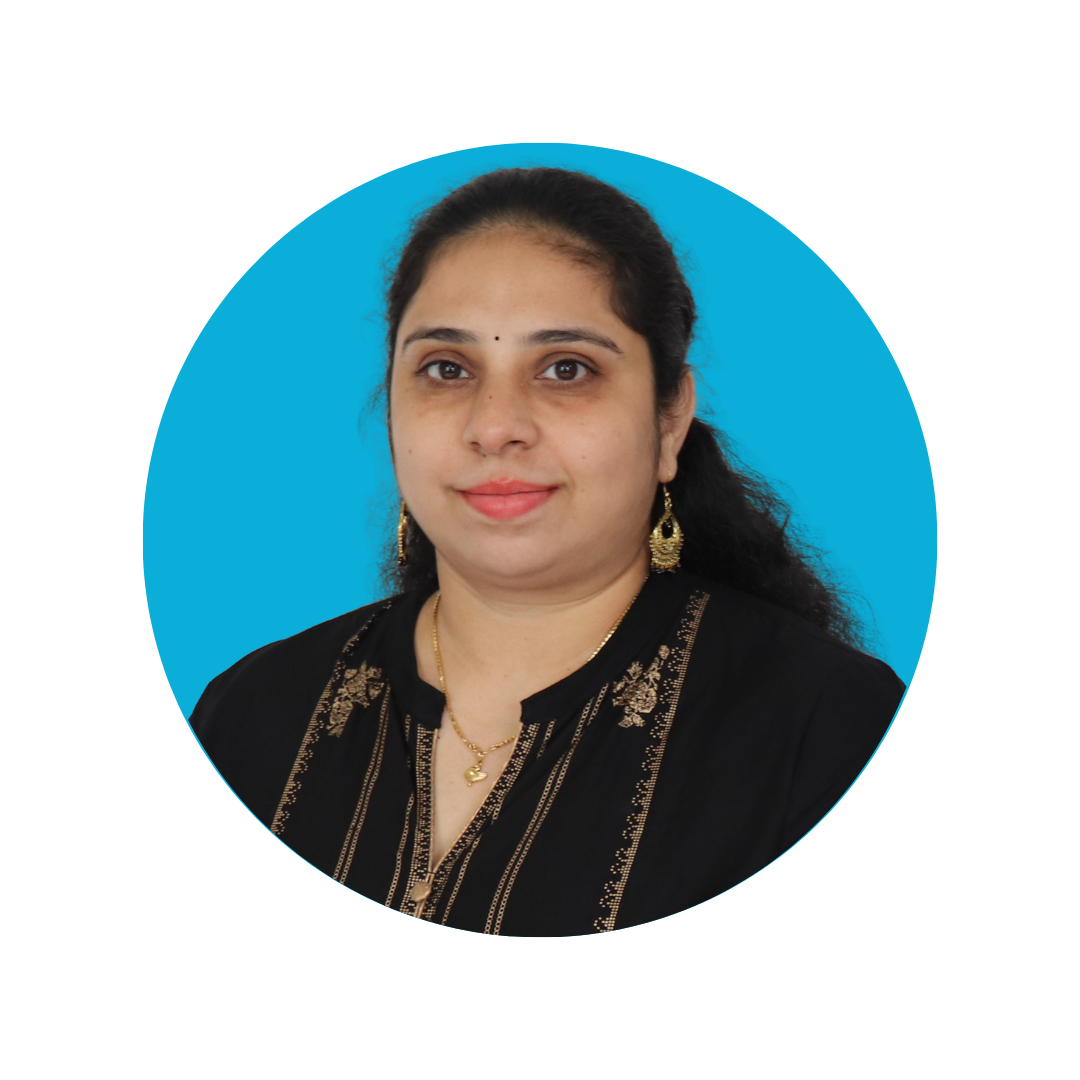
Soumya Alamuru is a Senior Consultant in the AI and Digital Public Infrastructure (AI+DPI) practice at Athena Infonomics. With a background spanning economics, journalism, and technology, she works on building inclusive, data-driven solutions and is particularly interested in how AI and digital tools can be localized to empower communities and strengthen participatory governance.
.png)