Commissioned by the U.S. Department of State Office to Monitor and Combat Trafficking in Persons (TIP Office), this project produced high-quality landscape and gap analyses on human trafficking in Bangladesh, Bhutan, and Pakistan, and child trafficking in Thailand. The study was designed to strengthen evidence-informed, survivor-centred, and systems-level responses to trafficking in persons across South and Southeast Asia, aligned with the Prevention, Protection, and Prosecution (3P) framework and its application across the trafficking response continuum.
Across all four contexts, the analyses examined the scale, patterns, and forms of trafficking, alongside institutional responses, coordination mechanisms, and structural drivers of vulnerability. The research applied a rigorous multi-methods design, combining high-quality evidence mapping and synthesis with primary qualitative and trauma-informed participatory methods. This included stakeholder and intervention mapping, hotspot and route mapping, and legal and policy analysis.
Survivor engagement was embedded throughout the research cycle, implemented through context-specific, trauma-informed approaches and conducted in ways that prioritised dignity, agency, and safety. The study also engaged government institutions, service providers, civil society organisations, and technical experts across the anti-trafficking ecosystem, ensuring analytical robustness and relevance to policy and practice.
For further information about this study, please contact Dr. Monisha Lakshminarayan.
For World Evidence-Based Healthcare (EBHC) Day 2025, themed Collaborative Knowledge Communication, our team published two knowledge products:
We also published another blog, Dhaka, 2024: Reflections of a Researcher Amidst Crisis, which captures how political disruption and humanitarian pressures shape data access, survivor engagement, and real-time policy dialogue.
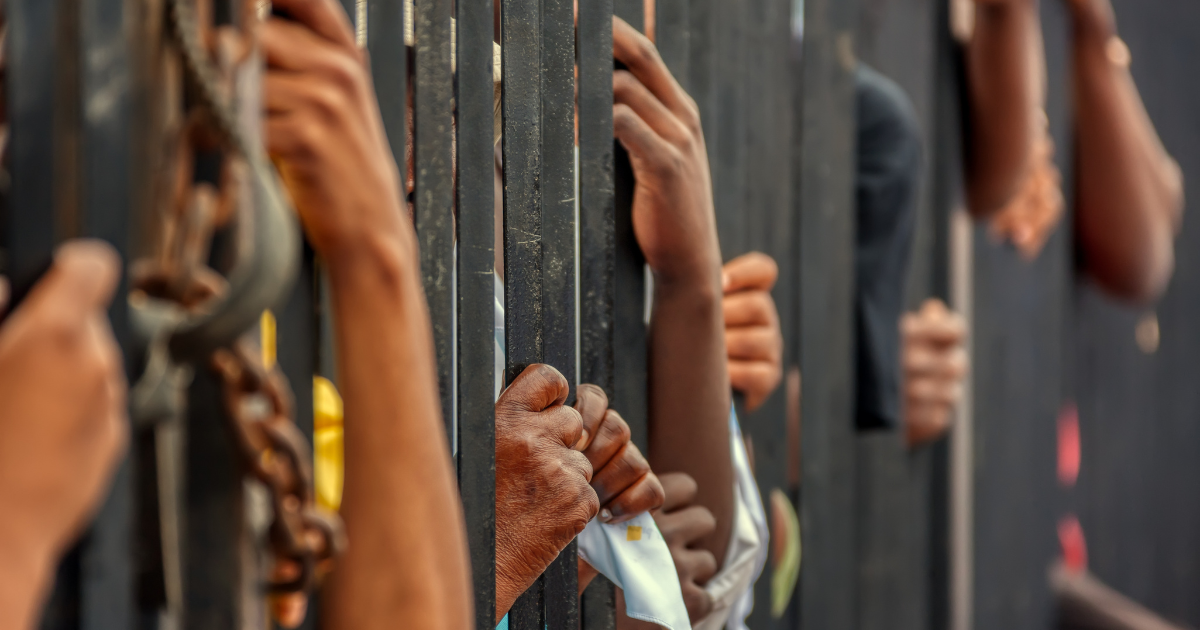
Image used for representational purposes only; source: Canva
.png)